Source Drywall Screws for Metal, Wood, and Gypsum Board
Explore 30 listings for drywall screws suitable for metal, wood, and gypsum board applications. Compare specifications including head styles, thread types, and surface finishes from suppliers in China to find the right fasteners for your construction needs; compare the available evidence and request quotations based on your requirements.
Key considerations
Products List




Comprehensive Sourcing Guide
Drywall Screw Sourcing Guide
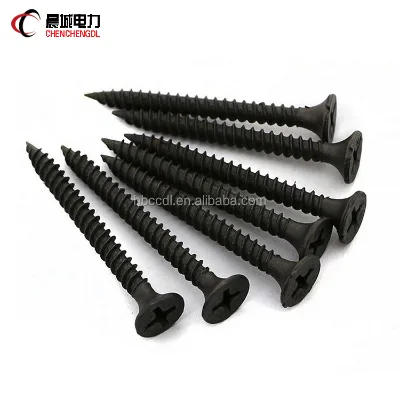
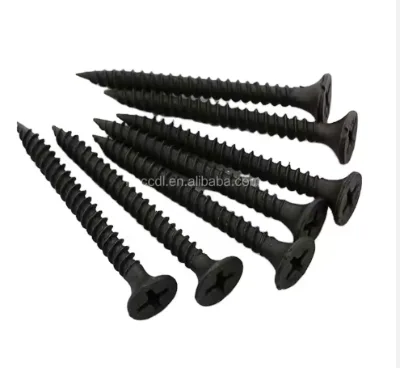
Procuring drywall screws requires careful attention to material composition and head geometry to ensure structural integrity in gypsum board installations. The available inventory frequently features carbon steel and stainless steel variants, with surface treatments like zinc plating or black phosphating to resist corrosion. Buyers must verify that the selected fastener matches the specific substrate, whether metal framing or wood studs, as the thread pitch and tip design vary significantly between these applications.
Selection also hinges on the head style, with bugle heads being a common specification for drywall to prevent surface damage during driving. The observed product range includes options with round or hex heads, each serving different torque requirements and tool compatibility needs. Sourcing teams should prioritize suppliers who explicitly list customization capabilities, as project-specific lengths and thread types often deviate from standard catalog offerings found in bulk listings.
Product Scope and Observed Listing Signals
The market presents a wide spectrum of drywall screws ranging from small diameters like 3mm to larger sizes up to 150mm in length. Listings indicate that packaging varies from small retail boxes to bulk cartons weighing up to 20 kilograms, which impacts logistics planning and on-site storage requirements. Buyers should note that observed price points fluctuate based on material grade and surface finish, with stainless steel options commanding a premium over standard carbon steel versions.
Listing signals often highlight specific thread configurations, such as fine or coarse threads, which are critical for holding power in different materials. Some products feature self-drilling or self-tapping tails, eliminating the need for pilot holes in metal studs, while others require pre-drilling for wood applications. Procurement teams must cross-reference these attributes with project blueprints to avoid ordering fasteners that lack the necessary penetration depth or shear strength for the intended assembly.
Technical Specifications to Verify
Verification of thread geometry and head shape is essential for ensuring compatibility with automated screw guns and manual drivers. The supply chain offers products with cross-groove or Phillips drive types, and the head style must align with the tooling available on the construction site to prevent cam-out and material damage. Buyers should confirm that the specified diameter, ranging from 3.5mm to 6.3mm, matches the load-bearing requirements of the drywall panel being installed.
Surface treatment processes like zinc plating or nickel plating are critical for longevity, especially in environments with high humidity. The observed data suggests that grades such as 8 and 12 are available, indicating varying levels of tensile strength and hardness. It is imperative to validate that the selected screw grade meets the structural demands of the specific drywall thickness and stud spacing, as under-specifying the material can lead to joint failure over time.
Compliance and Safety Documentation
Reliable suppliers typically provide documentation confirming adherence to international standards such as ISO, DIN, and GB, which govern the mechanical properties of the fasteners. Certifications like CE, RoHS, and SGS are frequently cited in product listings, serving as evidence that the manufacturing process meets specific safety and environmental criteria. Buyers should request these certificates to ensure the fasteners do not contain hazardous substances and meet the regulatory requirements of the destination market.
Safety compliance also extends to the physical performance of the screw, particularly regarding its ability to hold without stripping or breaking under torque. While specific test results are not always listed in general catalogs, the presence of recognized certifications implies a baseline of quality control. Procurement teams must ensure that the supplier can provide batch-specific test reports if the project involves critical structural connections where fastener failure could pose a safety risk.
Cost Drivers and Commercial Terms
The final cost of drywall screws is heavily influenced by the raw material price, with stainless steel and specialized coatings adding significant value over standard carbon steel options. Minimum Order Quantities (MOQ) observed in the market range widely from single units to 100,000 pieces, allowing flexibility for both small contractors and large-scale distributors. Buyers should negotiate based on volume tiers, as bulk purchasing often unlocks better pricing per unit and reduces the overall cost of goods sold.
Packaging and logistics represent another major cost driver, with options ranging from individual boxes to palletized bulk shipments. The observed packing methods include 500g bags, 1kg bags, and 20kg cartons, each affecting handling efficiency and waste generation on the job site. Sourcing teams must calculate the total landed cost, including freight and handling fees, to determine the most economical option that balances inventory holding costs with project delivery schedules.
Supplier Qualification and Quality Control
Supplier qualification should focus on verifying the origin of the product, with major manufacturing hubs like Tianjin and Jiangsu in China being prominent sources. Buyers must assess the supplier's ability to maintain consistent quality across large production runs, as variations in heat treatment or plating thickness can compromise performance. Requesting samples prior to bulk ordering is a standard practice to validate that the physical attributes match the technical specifications provided in the catalog.
Quality control processes should include checks for surface finish uniformity and thread accuracy, ensuring that every screw in the batch performs identically. The availability of customization services indicates a supplier's capacity to adapt to specific project needs, but this requires clear communication of tolerances and material grades. Establishing a relationship with a supplier who demonstrates robust internal QC measures reduces the risk of receiving defective batches that could delay construction timelines.
Long-Term Procurement Checks
Establishing a long-term partnership requires regular audits of the supplier's ability to maintain consistent product standards over time. Buyers should monitor changes in material composition or surface treatment processes, as these can subtly alter the performance characteristics of the drywall screws. Continuous communication regarding project requirements ensures that the supplier remains aligned with evolving construction standards and material availability in the global market.
Performance tracking of delivered batches is essential for identifying any recurring quality issues or supply chain disruptions. Procurement teams should maintain records of installation success rates and any field failures to hold suppliers accountable for product reliability. By systematically reviewing supplier performance against agreed-upon metrics, buyers can mitigate risks and ensure a steady supply of high-quality fasteners for future projects.
FAQs
What materials are used for drywall screws?
Drywall screws are commonly made from carbon steel, stainless steel, or standard steel. These materials ensure durability and resistance to corrosion. The specific grade often follows GB, DIN, or ANSI standards to meet international quality requirements for construction applications.
Which head styles are available for these screws?
Available head styles include bugle heads and hex heads, with some options featuring round heads. Bugle heads are designed to sit flush with drywall surfaces, while hex heads provide better torque for heavy-duty applications. Customization is available to meet specific project needs.
Can I get customized drywall screws with specific threads?
Yes, customized drywall screws with fine or coarse threads are available. Manufacturers offer self-drilling and self-tapping options suitable for wood or metal. Customization allows buyers to specify dimensions ranging from 3mm to 150mm to fit various construction requirements effectively.
What certifications do these screws typically hold?
These screws typically hold certifications such as ISO, CE, RoHS, and SGS. Some products also meet GB, DIN, or ANSI standards. These certifications ensure the products comply with international safety and quality regulations for use in construction and industrial environments globally.
How are the screws packaged for shipment?
Screws are packaged in cartons, boxes, or bulk bags depending on order size. Common options include 500g bags, 1kg bags, or 20kg cartons. Palletized box cartons are also available for larger orders, ensuring safe transport and easy handling during logistics operations.
What surface treatments are applied to the screws?
Surface treatments include zinc plating, nickel plating, and black phosphating. These processes enhance corrosion resistance and extend the lifespan of the screws. The choice of treatment depends on the intended application environment and the specific material grade selected by the buyer.
Where are these drywall screws manufactured?
These screws are manufactured in China, with specific origins in Tianjin and Jiangsu provinces. Factories in these regions produce a wide range of sizes and grades. Buyers can source directly from these locations to ensure competitive pricing and reliable supply chain management for their projects.